Midjourney’s Omni Reference is a new technology available in Version 7, enabling users to precisely control image generation using artificial intelligence (AI). With Omni Reference, you can now use it as a professional tool: add an image reference, adjust the oref parameter, control omni weight (ow), and achieve stable, predictable results.
In this article, we break down Omni Reference features, explain ow values, provide step-by-step instructions, and share practical use cases for real projects.
AI image generation has advanced rapidly, but users have long faced challenges in controlling outputs—characters would change, objects would shift, and styles wouldn’t remain consistent.
Now you can precisely define the influence of a reference image, controlling facial features, clothing, style, visual elements, and details. This is especially important for projects requiring consistent visuals—whether for websites, marketing materials, or video content.
What Is Omni Reference and How Does It Work?
Omni Reference is a system that analyzes a source image and extracts key characteristics:
This data is then used by the AI during generation. Omni Reference doesn’t just copy an image—it adapts it to fit a new prompt. This ensures a balance between creativity and accuracy.
Previously, Midjourney offered Character Reference, which worked mainly with characters. The key difference is that Omni Reference is broader and covers multiple aspects.
| Capability | Character Reference | Omni Reference |
|---|---|---|
| Characters | Yes | Yes |
| Objects | No | Yes |
| Face & Clothing | Limited | Yes |
| Style | Partial | Yes |
| Multiple Objects | No | Yes |
| Textures & Backgrounds | No | Yes |
Omni Reference significantly expands Midjourney’s visual control capabilities.
Key features of Omni Reference include:
These features make Midjourney more than just a generator—it becomes a full-fledged image creation system.
The oref parameter is the URL of the image used as a reference. All image links must be publicly accessible.
Omni weight (ow) determines how strongly the reference influences the generated image. The default value is 1000, but fine-tuning unlocks its full potential.
ow Value Ranges: Low, Medium, and High
Important note: High ow values provide control but may reduce variety.
This beginner-friendly guide will get you started:
Tip: Start with a low ow value and gradually increase it.
Texture Generation and Consistency Maintenance
With Omni Reference, texture generation is now a controlled process. You can create complex patterns and apply styles across different objects while maintaining visual integrity.
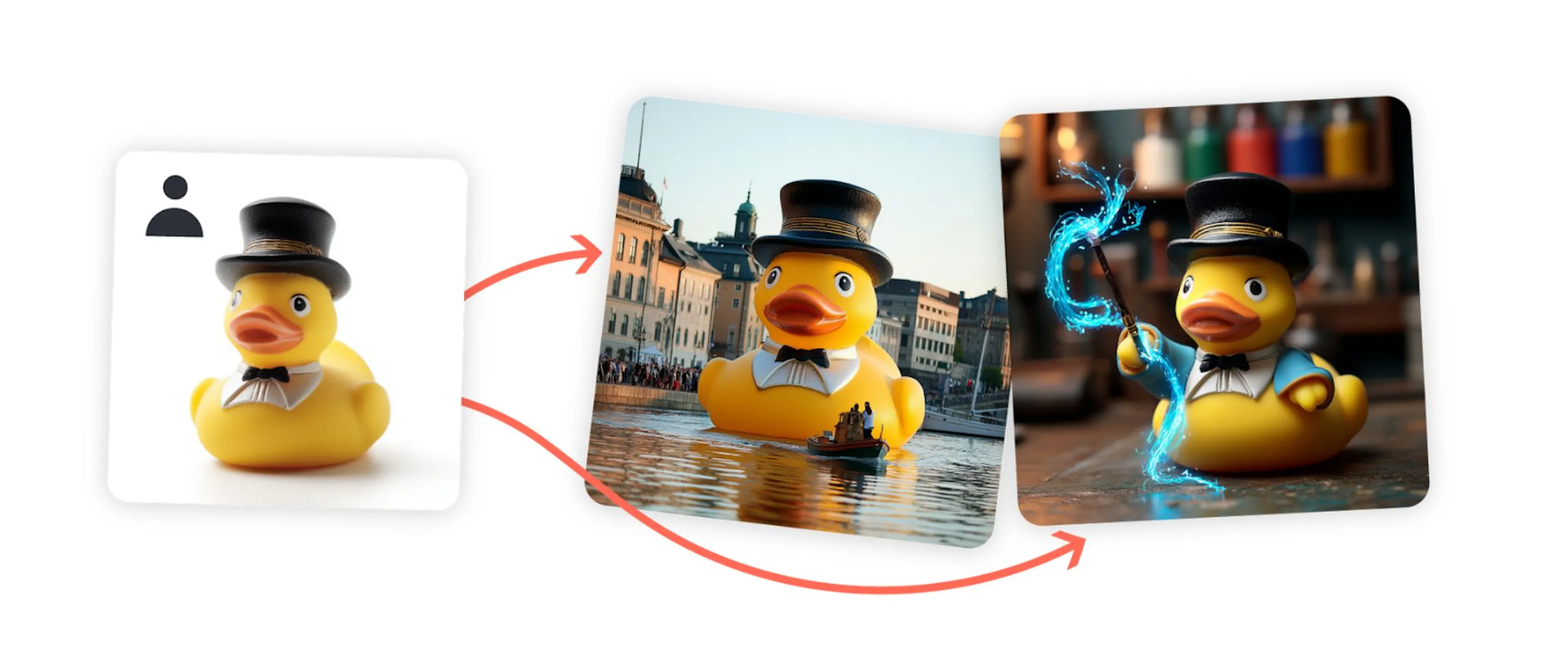
Now you can:
Example
An online clothing store used Omni Reference to generate 64 t-shirt variations from a single fabric photo. Result: unified style and reduced budget.
Strategies for Improving Result Accuracy
To maximize precision:
Business Case Study
A coffee chain used Midjourney Omni Reference with ow = 400. The outcome: a unified visual style and an approximate 15% reduction in marketing costs.
Omni Reference Applications for Various Tasks
Omni Reference can be used for:
Even experimental models (like “nano banana”) suggest that Omni Reference will continue to expand in application.
Midjourney’s Omni Reference is a key tool in Version 7, elevating image generation to a professional level. It provides control, precision, and result stability.
If you regularly work with visuals, start using Omni Reference now. Experiment with ow values, combine multiple references, add complementary parameters, and unlock the full potential of Midjourney’s AI.

Max Godymchyk
Entrepreneur, marketer, author of articles on artificial intelligence, art and design. Customizes businesses and makes people fall in love with modern technologies.