Artificial intelligence technologies have moved beyond mere entertainment and become full‑fledged work tools. Choosing the right service in 2026 determines business productivity and data processing speed. Today, AI models help create content, write code, and automate routine tasks in minutes.
This overview helps you navigate the variety of AI models. It gathers up‑to‑date solutions that actually work and deliver high‑quality results. Read on to find out which tools fit your tasks, how to start using them, and what capabilities the new versions of familiar systems unlock.
The field of artificial intelligence has passed the stage of chaotic growth and reached maturity. The main development vector is multimodality – the ability of a single system to process text, audio, video, and code simultaneously without switching between different services. Modern models instantly understand context, consider voice intonations, and notice details in uploaded images.
A significant development is the emergence of autonomous AI agents. Previously, AI models only answered questions. Now they execute complex chains of actions: plan mailings, gather analytics from multiple sources, and prepare comprehensive turnkey reports. The gap between an idea and a finished project has shrunk to a few clicks.
At the same time, the trend toward on‑device AI is growing. Powerful algorithms run directly on personal devices without an internet connection. This solves data privacy concerns and allows using intelligence autonomously. The 2026 neural network market offers flexibility – from giant cloud systems to compact solutions inside a smartphone or browser.
Compiling a list of tools requires an objective approach and hands‑on testing of each service. We built an honest ranking of 2026 neural networks by evaluating models against several key parameters. The main criterion was reasoning – the system’s ability to handle multi‑step instructions and find solutions in non‑standard situations. We used current benchmarks, including MMLU‑Pro and HumanEval, to assess answer accuracy and code quality.
An important step was checking the quality of text generation. Models often handle basic tasks well but make stylistic errors in complex formats. We selected neural networks that produce lively, natural content, deeply understand context, and are ideally suited for professional blogs or corporate correspondence in multiple languages.
Additionally, we analyzed technical capabilities:
This analysis filters out overhyped services and highlights useful neural networks for business processes and everyday tasks.
New‑generation text models deeply understand language structure and context. They process huge amounts of information, extract key points, and offer creative ideas. These tools reduce the time spent on writing texts, document analysis, and programming several times over. The user gets a professional result even with minimal input.
The version from OpenAI maintains its lead thanks to integration into operating systems. In 2026, ChatGPT 5.2 has become the standard for a universal assistant. Voice Mode allows real‑time voice communication with AI. The system recognizes emotions and adapts to speech tempo. The neural network understands complex instructions and works with files directly in the chat window.
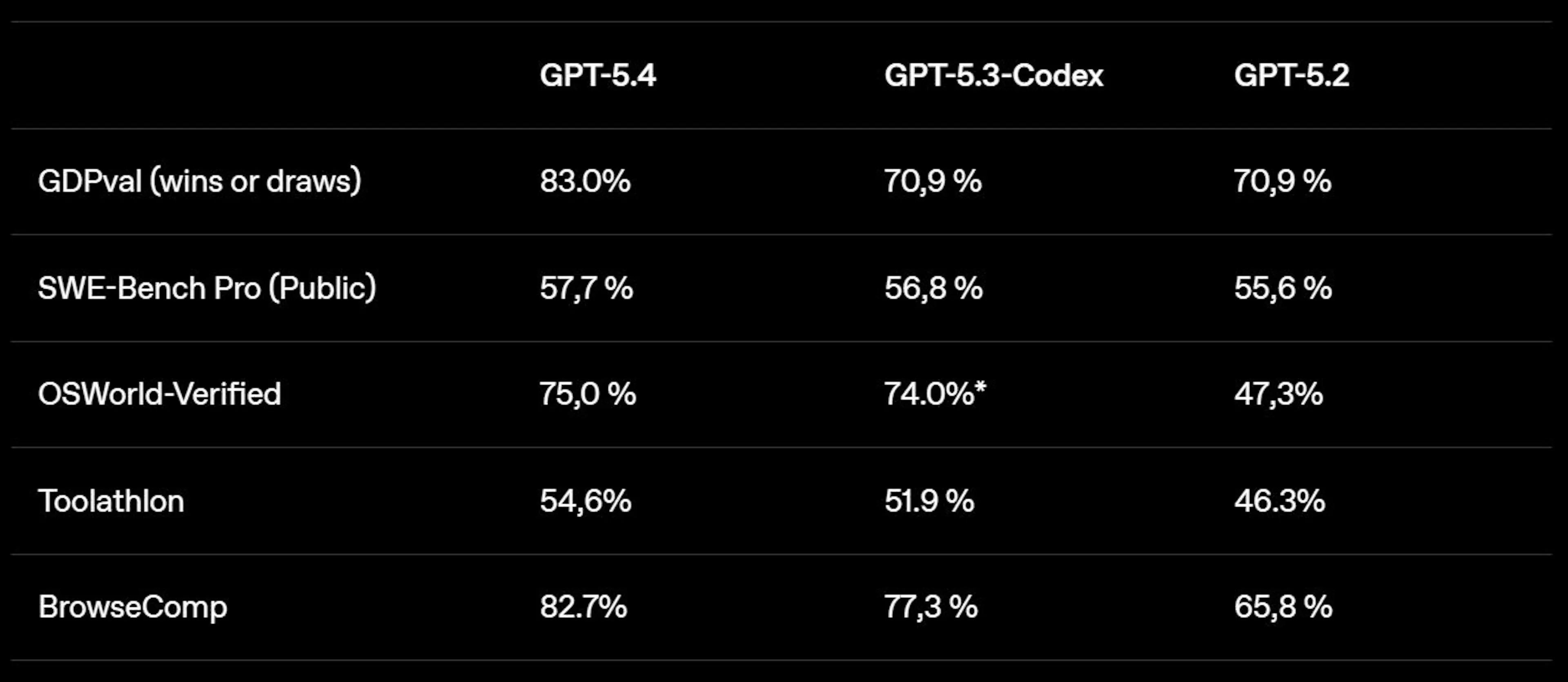
For PC and mobile users, this is a full‑fledged companion. It writes emails, schedules tasks, and instantly finds data online. Its main advantage is reasoning and the ability to explain complex things in simple language.
Claude 4.5 from Anthropic solves tasks where style and the absence of “machine‑like” text are important. The neural network generates lively, emotional content. It is suitable for writing articles, running blogs, and developing scripts.

The model’s context window reaches 1 million tokens. Users upload entire document libraries or large codebases to Claude 4.5 for in‑depth analysis. AI strictly follows the given style and minimizes factual errors. It is a reliable tool for serious research.
Google’s product works seamlessly with the company’s ecosystem of services. Gemini 3.1 Ultra simultaneously analyzes multi‑page PDFs, long YouTube videos, and massive data tables. The 2‑million‑token context window allows the model to retain details of a long dialogue.
The tool solves analytical business tasks. Gemini finds hidden patterns in reports and assembles a project plan from disparate materials. Integration with Google Docs and Sheets transfers results into ready‑made files with one click.
The DeepSeek V3 model offers flagship quality at a low price. Developers choose it as a basic solution for daily tasks. DeepSeek shows high results in programming and mathematical computations. The model outperforms competitors in reasoning tests.

The neural network is available through web interfaces and mobile apps. It provides high generation speed in the free version. Openness to complex technical requests makes the tool a functional solution without overpaying for the brand.
Visual models have become a working tool. In 2026, they generate commercial content: advertising banners and interface prototypes. AI has improved handling of small details. Now neural networks write readable headlines directly on images and accurately observe anatomical proportions.
Midjourney solves tasks of aesthetics and creating cinematic shots. Version v7 gives the user control over lighting and composition. The character consistency feature allows transferring a hero from one scene to another while preserving facial features and clothing.
The service works through a web interface, replacing complex navigation in third‑party apps. The neural network automatically selects palette and depth of field. The tool is suitable for creating covers, illustrations, and concept art.
Flux 2 Pro is focused on commercial production. Marketing agencies use this model for precise prompt adherence. The neural network draws an object from a specified angle and adds text to packaging without distortion.

The model captures textures in detail: skin pores, fabric fibers, water drops on metal. Image‑to‑Image mode lets you upload a product photo and place it into a new interior while preserving original shadows and reflections. The service speeds up visual content creation for catalogs and social media.
Nano Banana Pro stands out for its high generation speed. The model requires fewer details in the prompt compared to alternatives. The system understands natural speech, creating detailed portraits and landscapes.
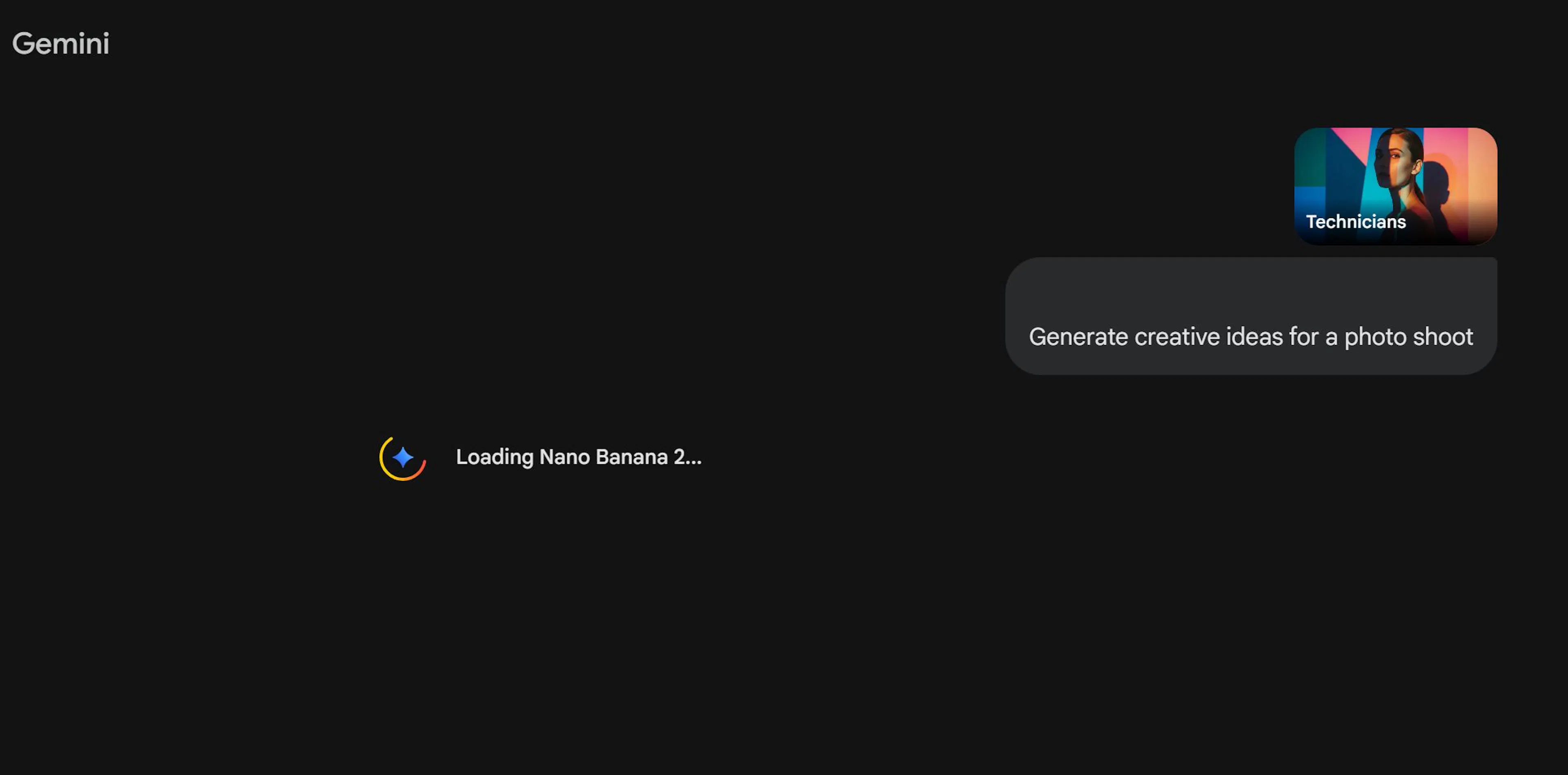
Access via messaging bots allows receiving images directly in chat. The model supports negative prompts to exclude unwanted elements from the frame. The tool delivers professional results without complex parameter tuning.
2026 video neural networks accurately convey physics. Objects maintain density and shape in the frame, and human movements look natural. The tools create clips from text and give control over camera, lighting, and character facial expressions. Businesses generate professional ads without renting studios, buying equipment, or hiring a film crew.
OpenAI’s Sora 2 Pro model generates long cinematic scenes. The neural network creates high‑resolution videos. The frames mimic professional camera work. The system understands spatial depth and object interaction based on complex text prompts. The main advantage is generation stability.
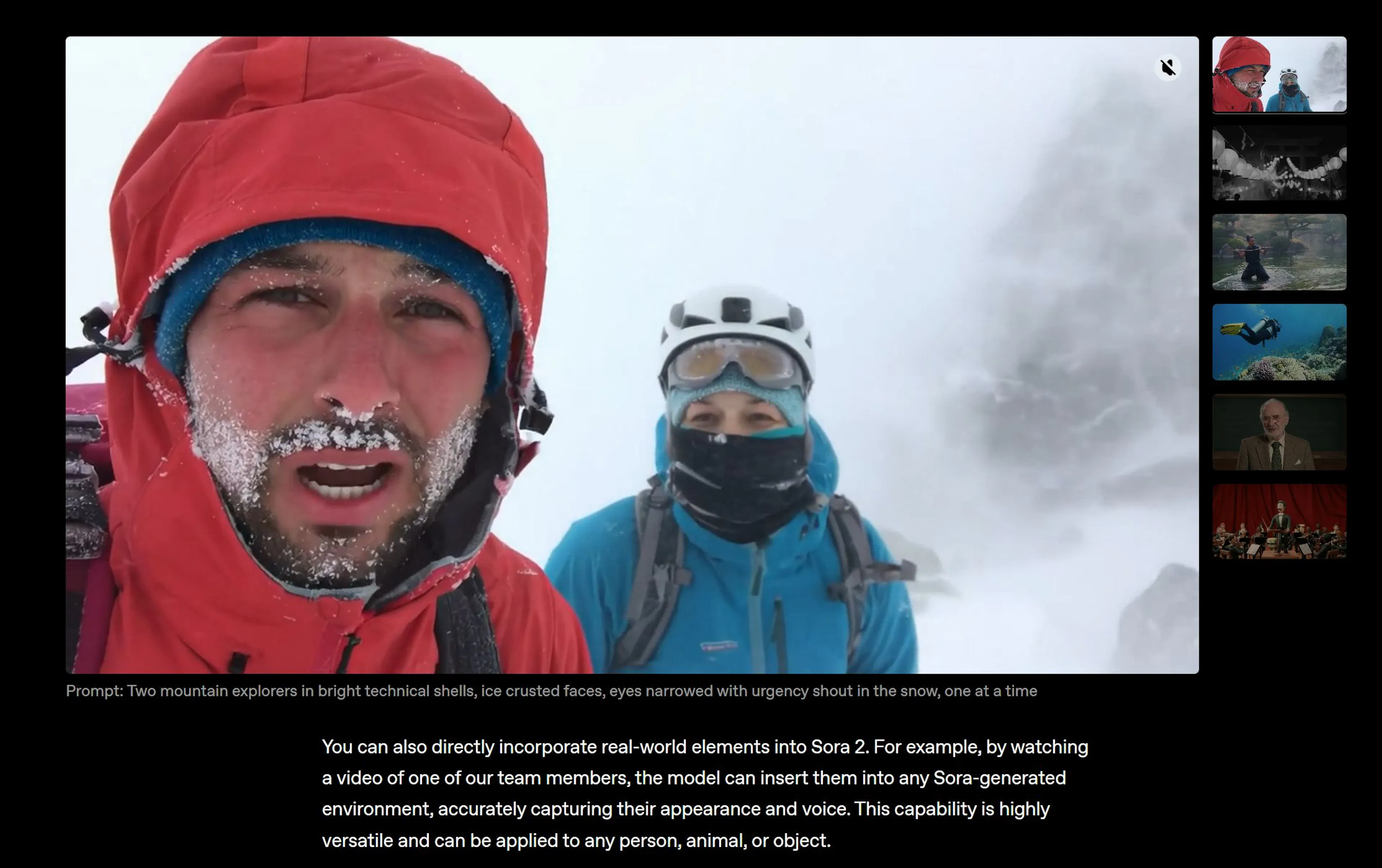
The image remains sharp, and characters do not change appearance throughout the clip. Sora 2 Pro handles tasks like creating trailers, architectural project presentations, and background materials for YouTube.
The update to Kling 3.0 has elevated the service to the level of full-scale video production. The standout innovation is the model's ability to generate video in native 1080p resolution with incredible detail in skin textures, hair, and natural elements.

Key Features:
Advanced Motion Control: Users can literally "conduct" the scene by defining camera trajectories and complex character gestures. The 3.0 model has a much deeper understanding of physics, resulting in fluid movements free from typical AI "artifacts."
Animation Mastery: The tool flawlessly transforms static photos into video, adding natural gestures and precise lipsync (synchronizing lip movements with speech).
Elemental Realism: The system achieves cinematic quality when rendering water, fire, and flowing fabrics, making it a top choice for high-end ad creatives.
Social Media Optimized: Kling 3.0 maintains its lead in vertical content creation, offering high generation speeds without sacrificing quality—a critical factor for SMM and high-volume performance marketing.
Key Note: Version 3.0 is significantly better at handling "dynamic transitions" where multiple complex actions occur simultaneously within a single frame.
The Luma Ray Flash 2 model solves tasks where speed matters more than high resolution. The neural network generates draft videos. The system delivers a 540P result in seconds. Users apply the service for quick storyboarding and idea testing before final rendering.
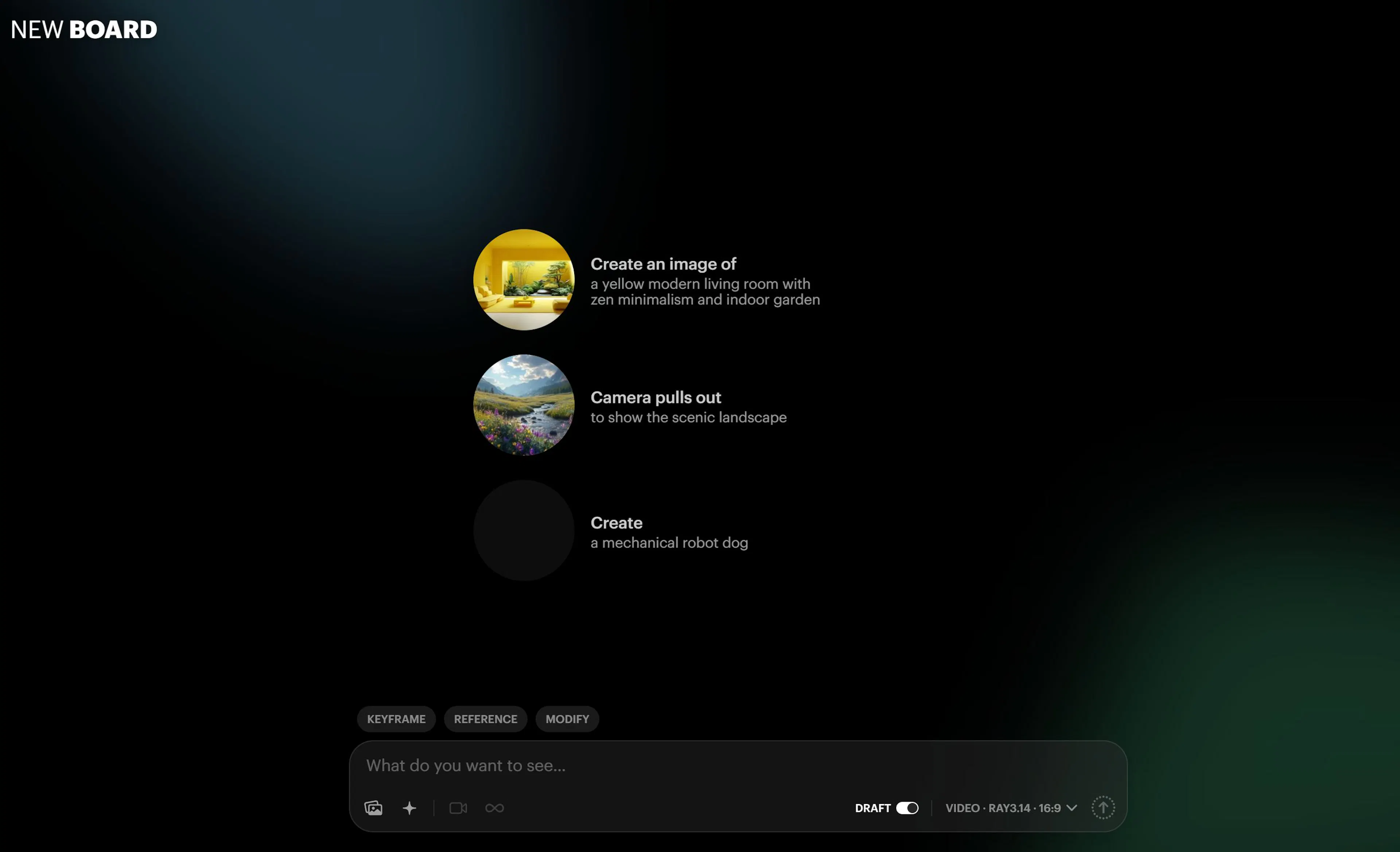
The tool creates basic animations from photos and visualizes concepts for clients. High speed helps test dozens of script variations without long processing waits. The model meets creators’ needs for daily short‑form video production.
Professional software in 2026 works as an autonomous partner. Systems deeply understand industry context: writing code, creating financial reports, or assembling presentations. Specialists save time on basic data checks and focus on project strategy.
For developers, GitHub Copilot is the standard thanks to integration with the Microsoft and OpenAI ecosystem. The tool completes lines of code and suggests architectural solutions. The model considers dependencies across all project files.

The AI agent feature allows the system to perform refactoring independently. The neural network finds security vulnerabilities in code before it reaches the production environment.
Perplexity AI solves tasks of precise data retrieval. The service analyzes dozens of sources in real time and forms a structured answer with direct quotes instead of a conventional link list. Deep Research mode conducts thorough topic research. AI compares facts and compiles the result into a report with charts.

The platform lets you choose a model: the Pro version offers GPT‑5.2, Claude 4.5, and Gemini 3. Academic mode searches exclusively in peer‑reviewed scientific publications. The tool is suitable for writing academic papers, market analysis, and fact‑checking.
Suno and Udio neural networks generate sound and music. The models create studio‑quality tracks. The user gets a ready‑made soundtrack for a video or commercial based on a text description of genre and mood. The tools support vocal generation in dozens of languages with accurate diction and intonation. Content creators use the services to produce background music without royalty fees. Integration with video neural networks allows assembling a multimedia project where visuals and sound are AI‑generated.
Gamma and Tome neural networks automate slide design. Gamma transforms a text document or bullet points into a presentation, landing page, or report. The system selects visual style, icons, and graphics. The user edits content with text commands in chat. The tool serves marketers and managers. Tome focuses on storytelling and interactivity. The neural network generates presentations as web pages with direct Figma or YouTube integration. The model adapts the narrative tone to the audience: compiles a business report for investors or a pitch for a creative team. The services handle basic designer work at the draft stage.
Answers to common questions help integrate neural networks into business processes and everyday tasks.
Most platforms provide basic access with generation limits. DeepSeek V3 and Qwen models unlock high computing power without payment. Premium versions of GPT‑5.2 or Claude 4.5 work on a subscription basis, but intermediary platforms and API aggregators offer users a free trial balance to test system capabilities.
Midjourney v7 generates realistic portraits and refines small skin texture details. The Flux 2 Pro model handles transferring the user’s face into a ready‑made scenario. This neural network creates series of shots with a single character using LoRA technology. The system captures facial features and accurately reproduces them in new generations.
Neural networks take over bulk data processing. Algorithms write social media texts, create ad creatives, and edit videos through platforms like Kling 2.6 or Veo 3. Companies implement AI for automated responses in customer chats and analysis of multi‑page PDF documents. Using algorithms cuts time spent on routine tasks.
To protect confidential information, companies deploy enterprise AI versions or run open‑source local models on their own devices. Public services by default use uploaded information for algorithm training. Before sending documents or source code, users disable data collection in account privacy settings.

Max Godymchyk
Entrepreneur, marketer, author of articles on artificial intelligence, art and design. Customizes businesses and makes people fall in love with modern technologies.