Today, data analysis requires more than just Excel and dashboards. You need powerful tools that can process large volumes of information, build accurate forecasts, and support quick decision-making. We have compiled a list of the best neural networks for data analysis that are used across various industries and for diverse tasks, with a detailed breakdown of their capabilities, integrations, weaknesses, and pricing.
In 2025, companies worldwide are striving to make decisions faster, more accurately, and while considering a vast number of variables. Given the constant time constraints, rising costs, and effort required for report preparation, it has become clear: it is no longer possible to manage without automation and neural networks.
Modern AI-based systems do more than just visualize information—they help identify subtle patterns, hidden connections, test hypotheses, compare metrics, and even predict future events (of course, with human oversight and careful validation of AI output!). Using neural networks is not a trend; it is a crucial component of the new big data analytics infrastructure.
For businesses, it’s not enough to just collect information—they must apply it in practice: in sales, HR, management, marketing, customer service, and finance. This is where analytical tools come into play, which:
Today, neural networks are evolving from mere assistants into expert systems capable of boosting analyst productivity, offering new decision-making opportunities, and even constructing a complete picture from disparate data sources.
Important: Neural networks operate quickly, support the English language, integrate with popular services, work in the cloud, and often offer access via free versions.
Choosing the right solution can significantly impact a company's entire data journey. The interface, cost, functionality, and capabilities affect not only the efficiency of current projects but also the future success of the entire business.
We compared dozens of neural networks actively used in analytics, business, and research. The selection was challenging: the market is saturated with both large international solutions and niche tools created for specific tasks. We evaluated not only functionality but also infrastructure, accessibility, support, user interface, user feedback, and security standards.
Our main criteria included:
We also considered usage practices in major corporations, government projects, research centers, and educational institutions. After all, it's not only about what a system can do in theory but also how it performs in real-world cases, handles load, allows access configuration, applies typical scenarios, and quickly adapts to different teams and skill levels.
GPT-5 is one of the most powerful AI models in the world, developed by OpenAI. It can process large volumes of textual data, perform deep contextual analysis, build hypotheses, generate analytical reports, and even assist in developing business strategies. This is not just a chatbot—it's a full-fledged data analysis tool that adapts to various tasks.

Key Capabilities:
GPT-5 is particularly popular among marketers, analysts, and product managers. It automatically generates content, answers customer questions, and helps handle large data volumes.
Important! Although GPT-5 is considered a universal solution, its high cost for commercial use and limited free version may be a barrier for small businesses.
Claude by Anthropic is a model built with a priority on information security, AI ethics, and handling confidential information. It is ideal for organizations where GDPR and other data protection regulations are critical.
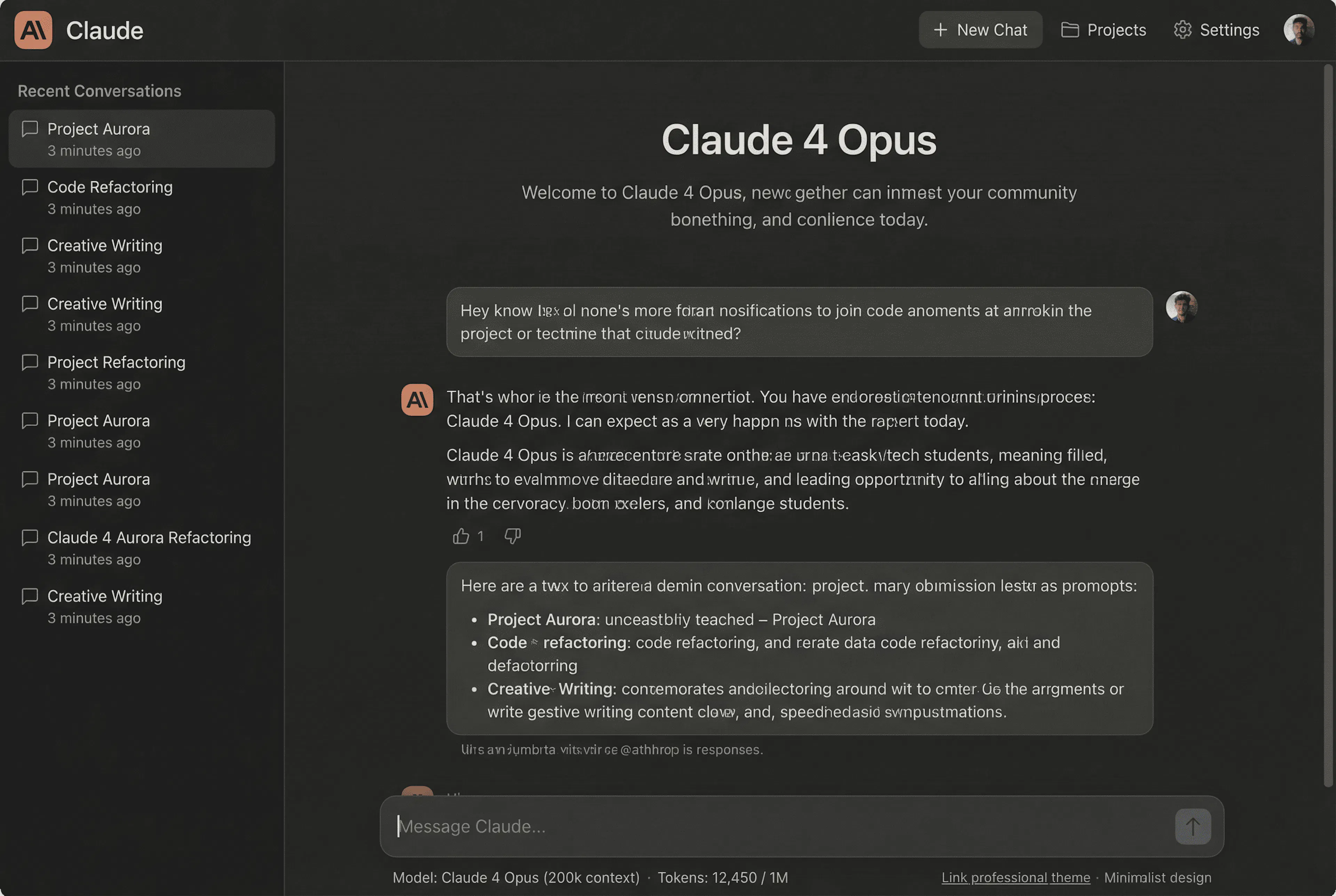
Features:
Claude 4 is used in finance, healthcare, and HR, where not only analysis but also compliance with standards is essential. The model's trust level makes it the choice for companies with high responsibility requirements.
Gemini is part of Google's cloud platform, combining text processing, data visualization, image analysis, and powerful analytics. It is one of the most flexible tools, operating within a unified ecosystem alongside Google Docs, BigQuery, Looker, and other services.
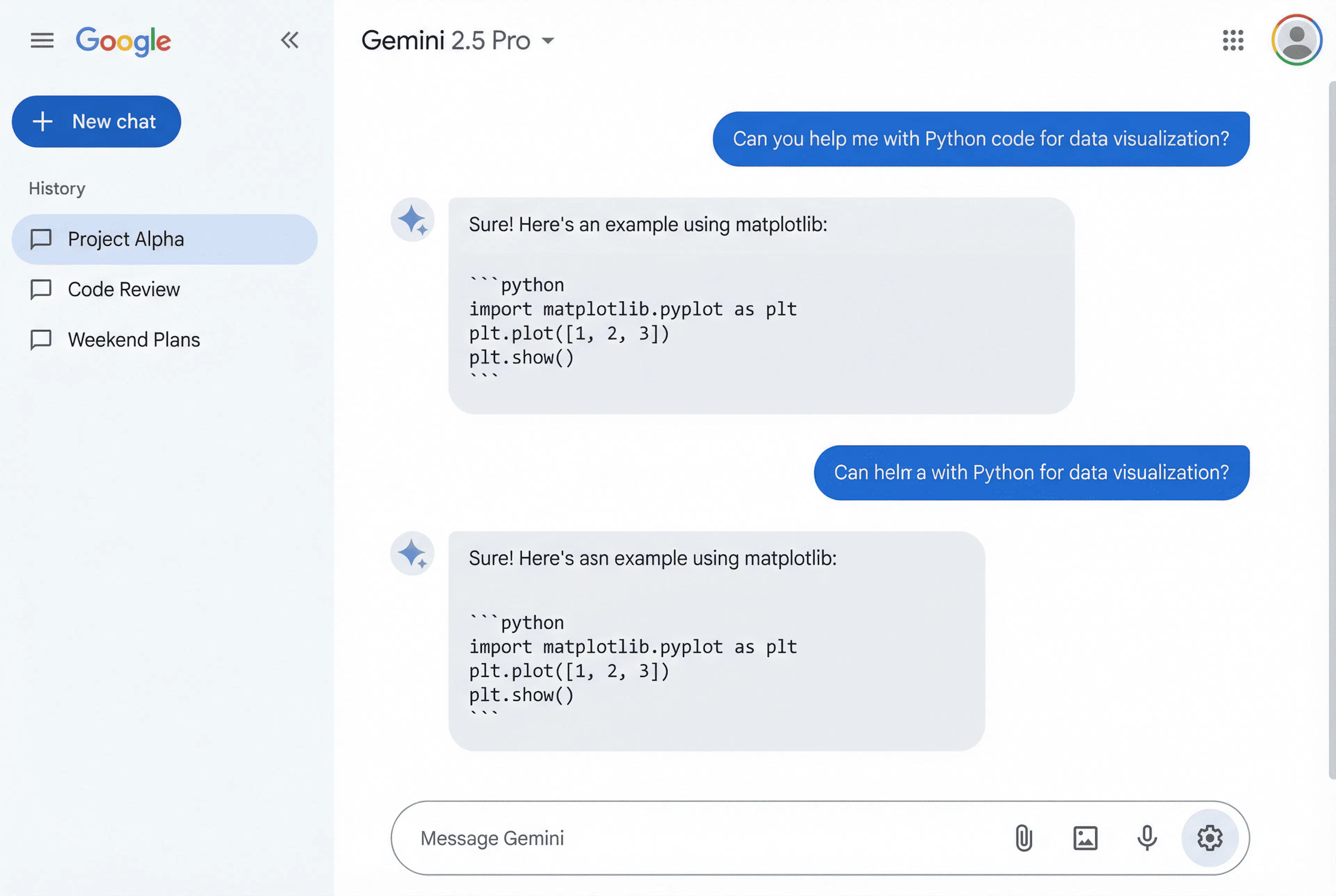
Capabilities:
Google Gemini is excellent for management, education, and sales analytics. It is particularly effective for analyzing user behavior, customer segmentation, and uncovering insights.
Databricks is a leader in big data processing solutions. Built on Apache Spark, this tool offers high-speed computation, flexible settings, and the ability to handle petabyte-scale data.
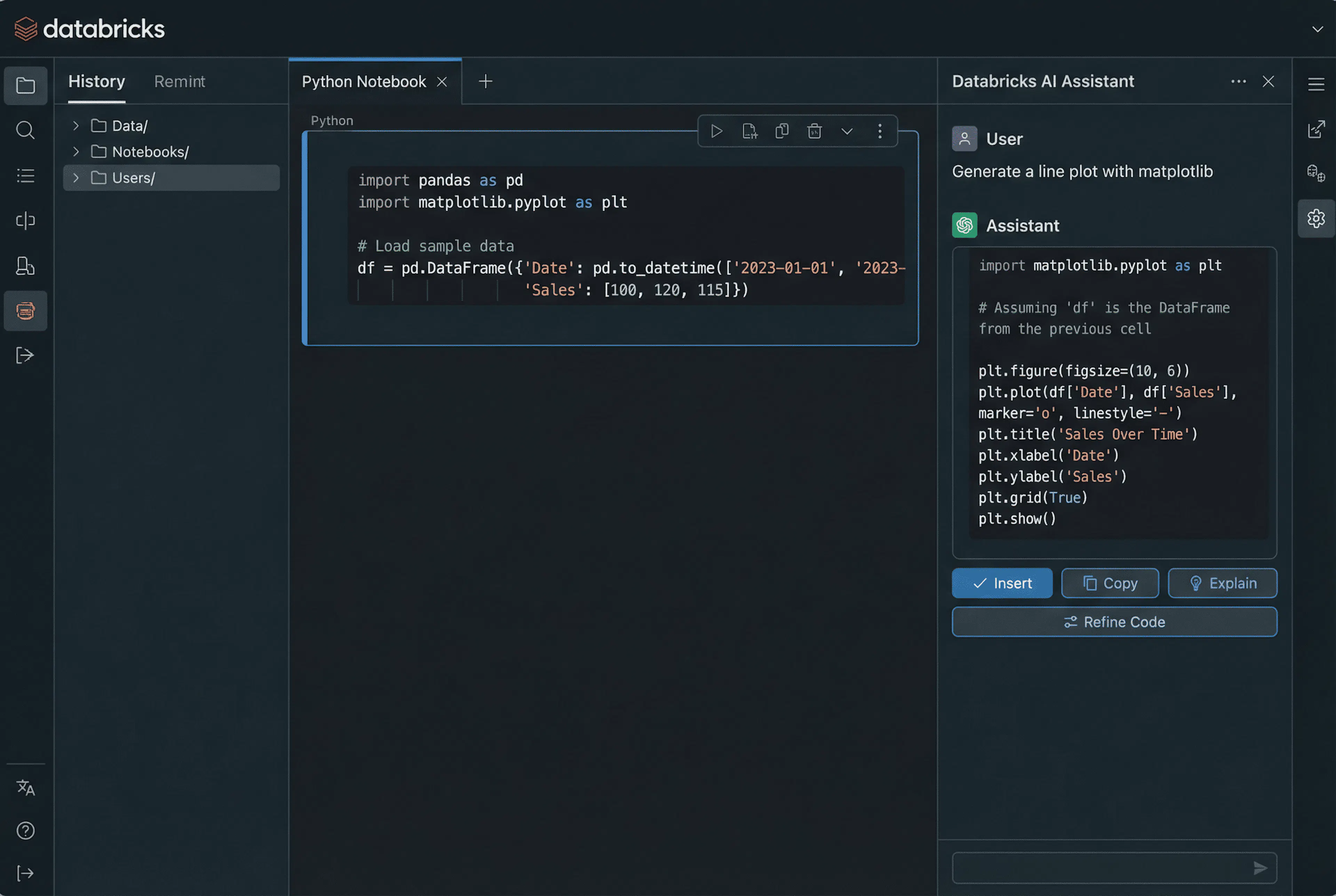
What It Can Do:
Ideal for data engineers, BI teams, and developers who need full flexibility and deep analytics. The downside—it requires technical skills and time to master.
Tableau has remained a standard in visual analytics for years. With the AI Pulse module, the tool gained built-in AI that helps build dashboards, automatically analyze data sources, and suggest ready-made visualizations.
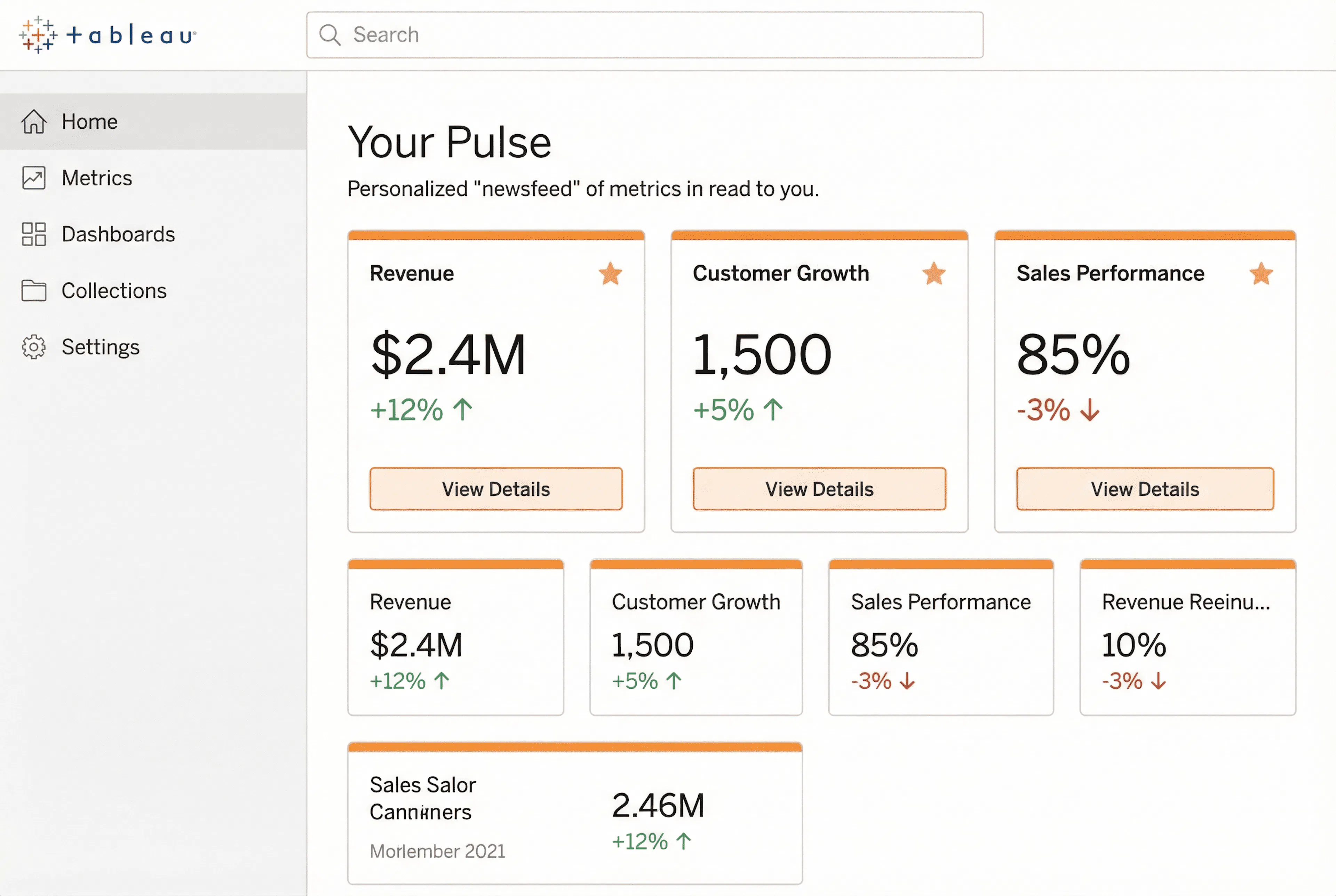
Advantages:
Tableau is ideal for marketers, product analysts, and HR departments. It simplifies presenting information, even for users without programming experience.
Snowflake Intelligence is a cloud analytics platform renowned for its security, scalability, and high performance. It allows processing large data volumes from various sources, quickly generating reports, running complex analysis scenarios, and visualizing results.
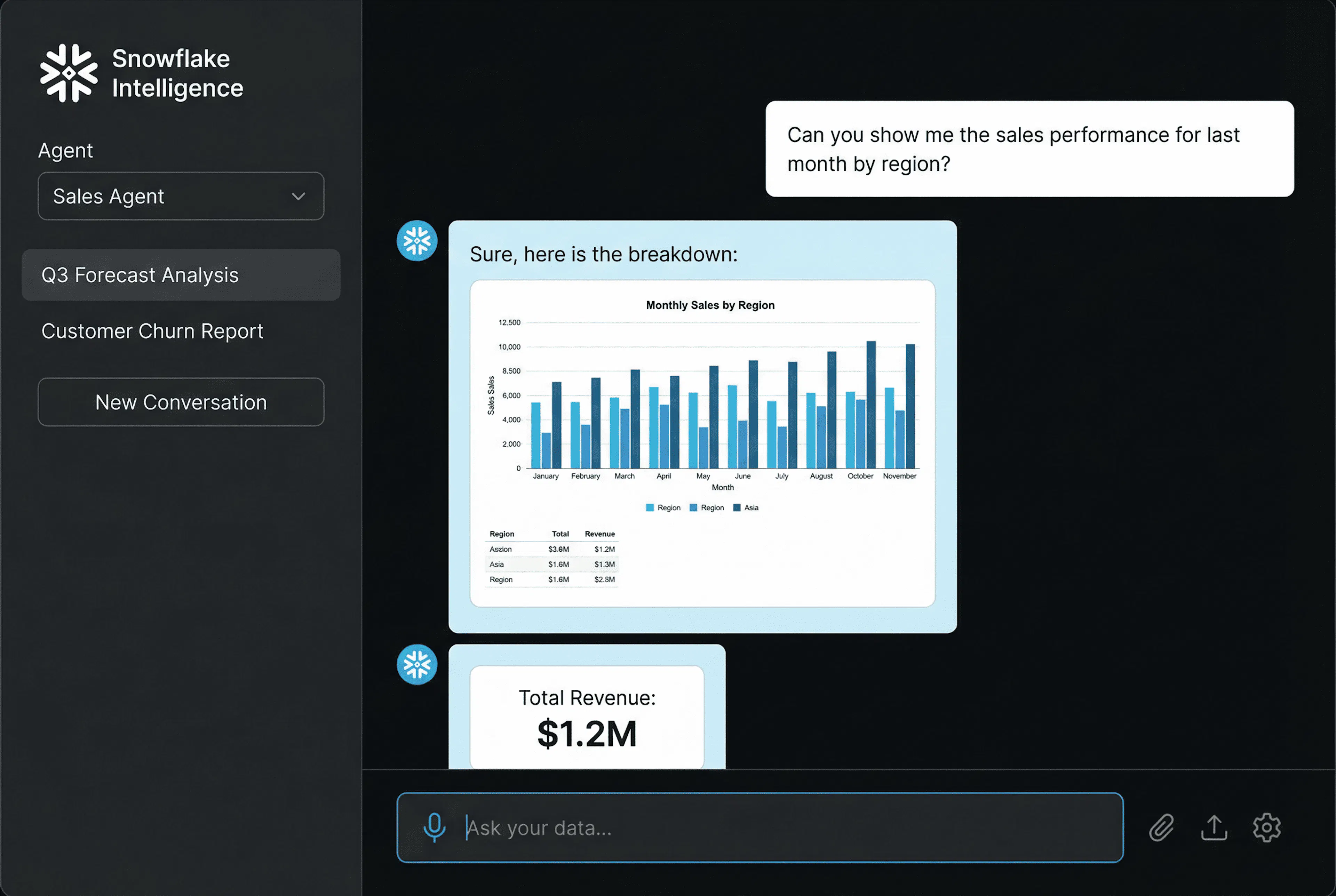
Capabilities:
The platform is particularly useful for the financial sector, retail, analytics agencies, and large international companies where information security is a priority.
DataRobot is a powerful AutoML tool designed for rapid development, testing, and deployment of analytical models without deep programming knowledge. It is built on templates, visual editors, and step-by-step guidance.
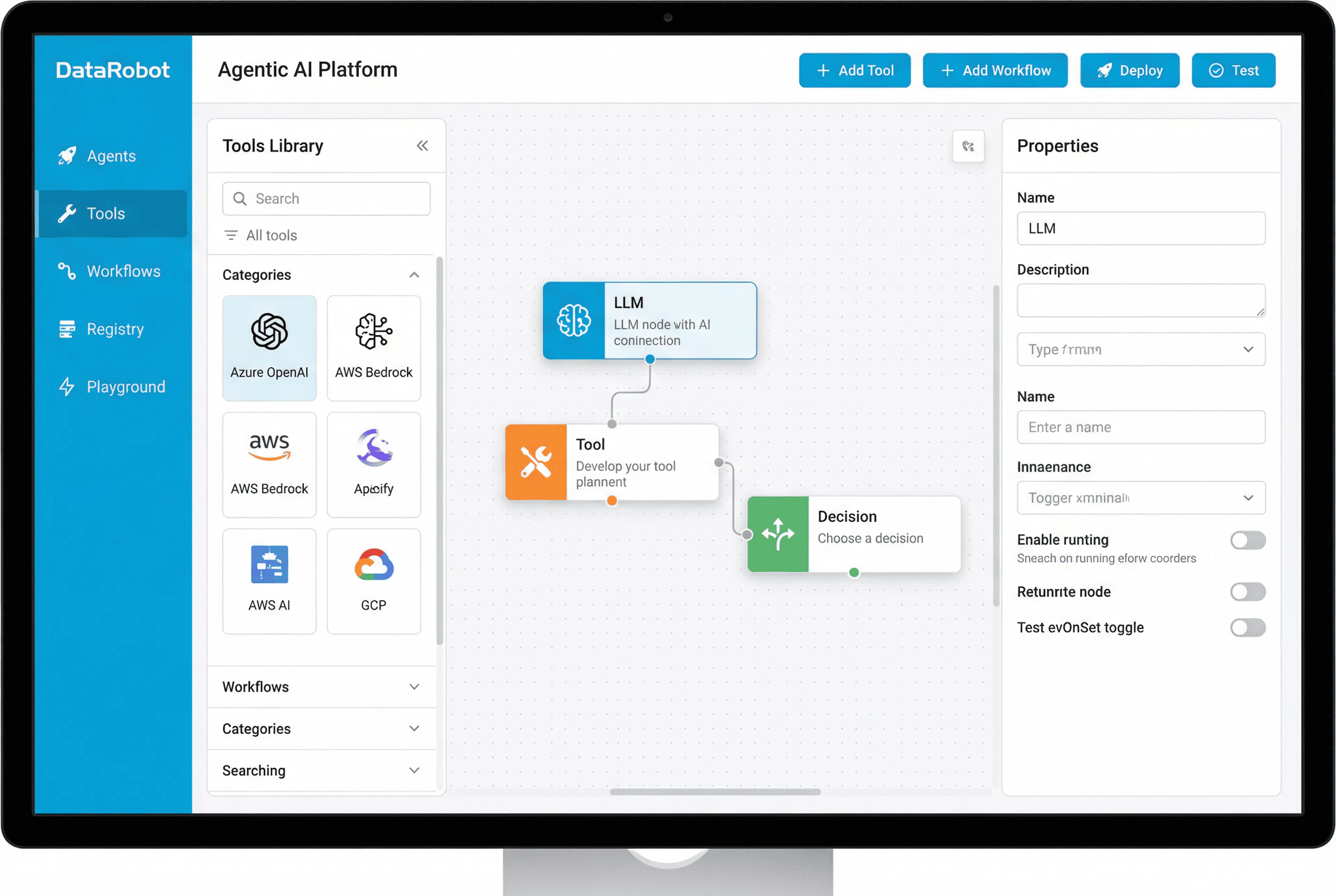
Features:
DataRobot is often chosen by marketers, product managers, and HR specialists who value user-friendly interfaces and ready-made solutions. The platform is also widely used in education and research projects.
Power BI is one of the most popular BI tools, and with the addition of Microsoft's AI tools, it has become even more flexible and powerful. Ideal for preparing reports, interactive dashboards, sales analysis, and metric visualization.
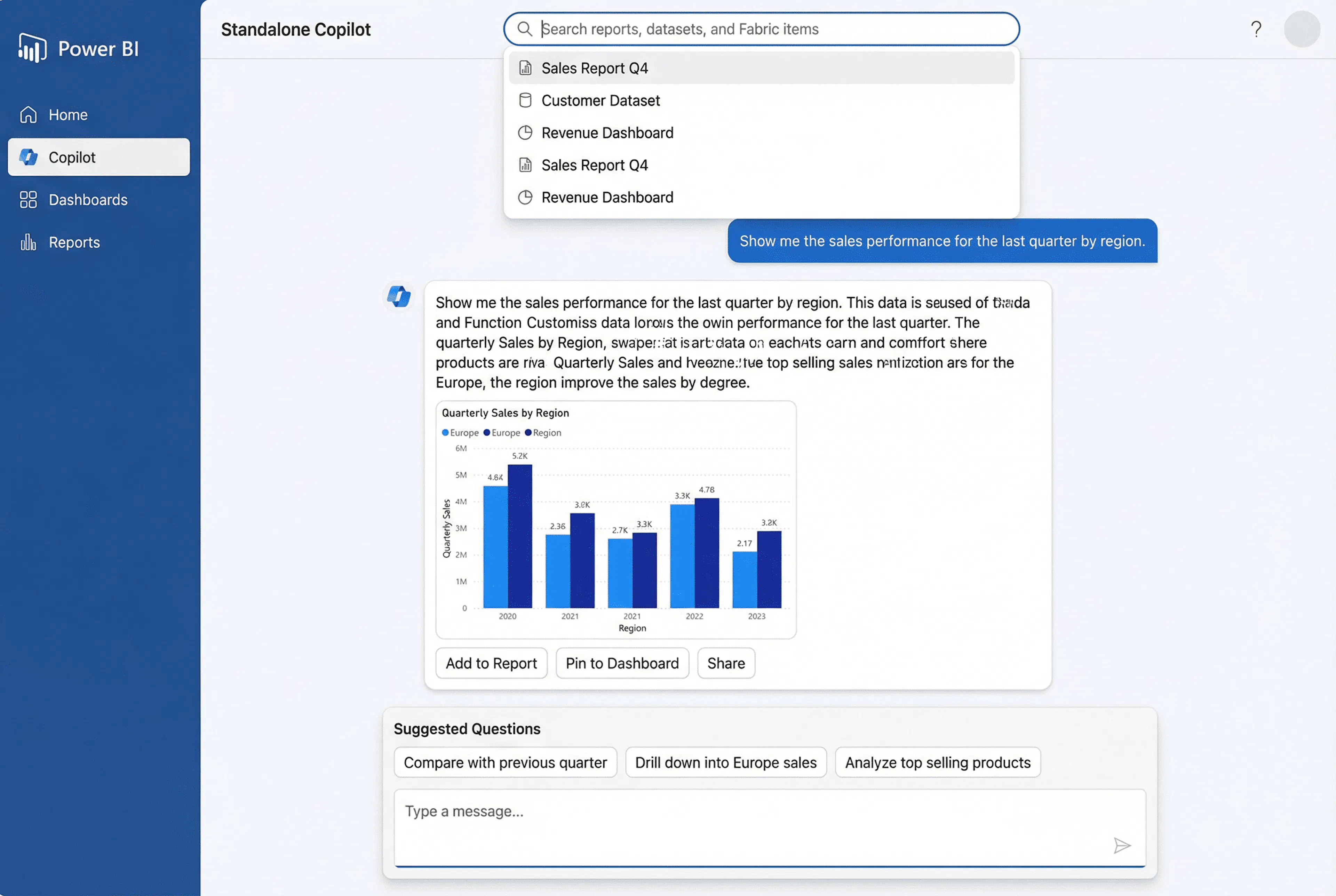
What It Offers:
The tool is actively used in business, the public sector, education, and startups. Its accessibility, customization for different skill levels, and low entry barrier make it a top choice for beginners.
H2O.ai is an open-source system with rich functionality for analysis, forecasting, and building models based on large datasets. It stands out for its flexibility, accessibility, and fast model training.
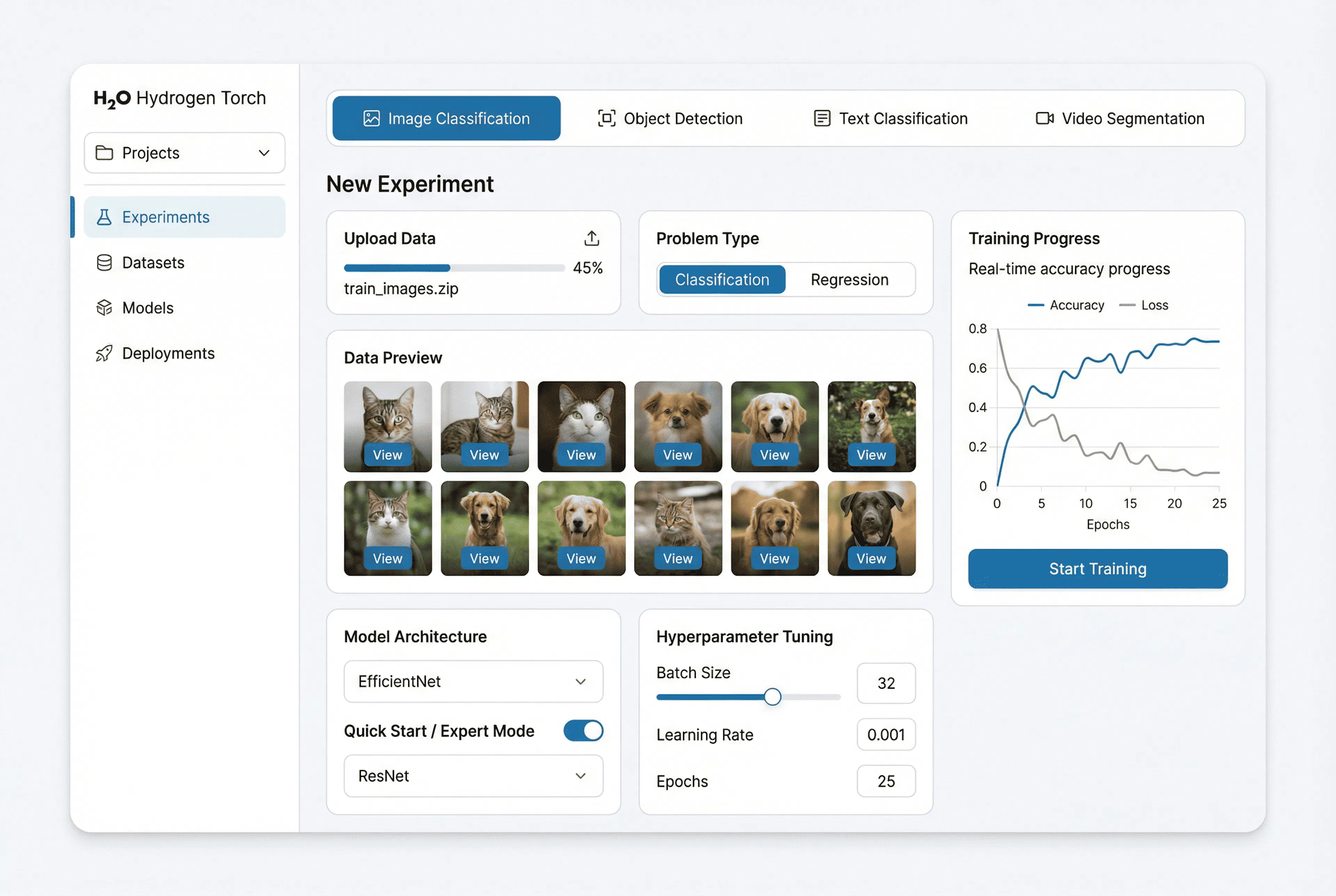
Capabilities:
Suitable for both research and business, especially if you want to build models independently and avoid dependence on closed solutions.
IMI is a domestic AI solution for everyday content creation and automation. It adapts to local norms, integrates with popular regional platforms, supports Telegram, and lets you run analytics in English without any additional setup.
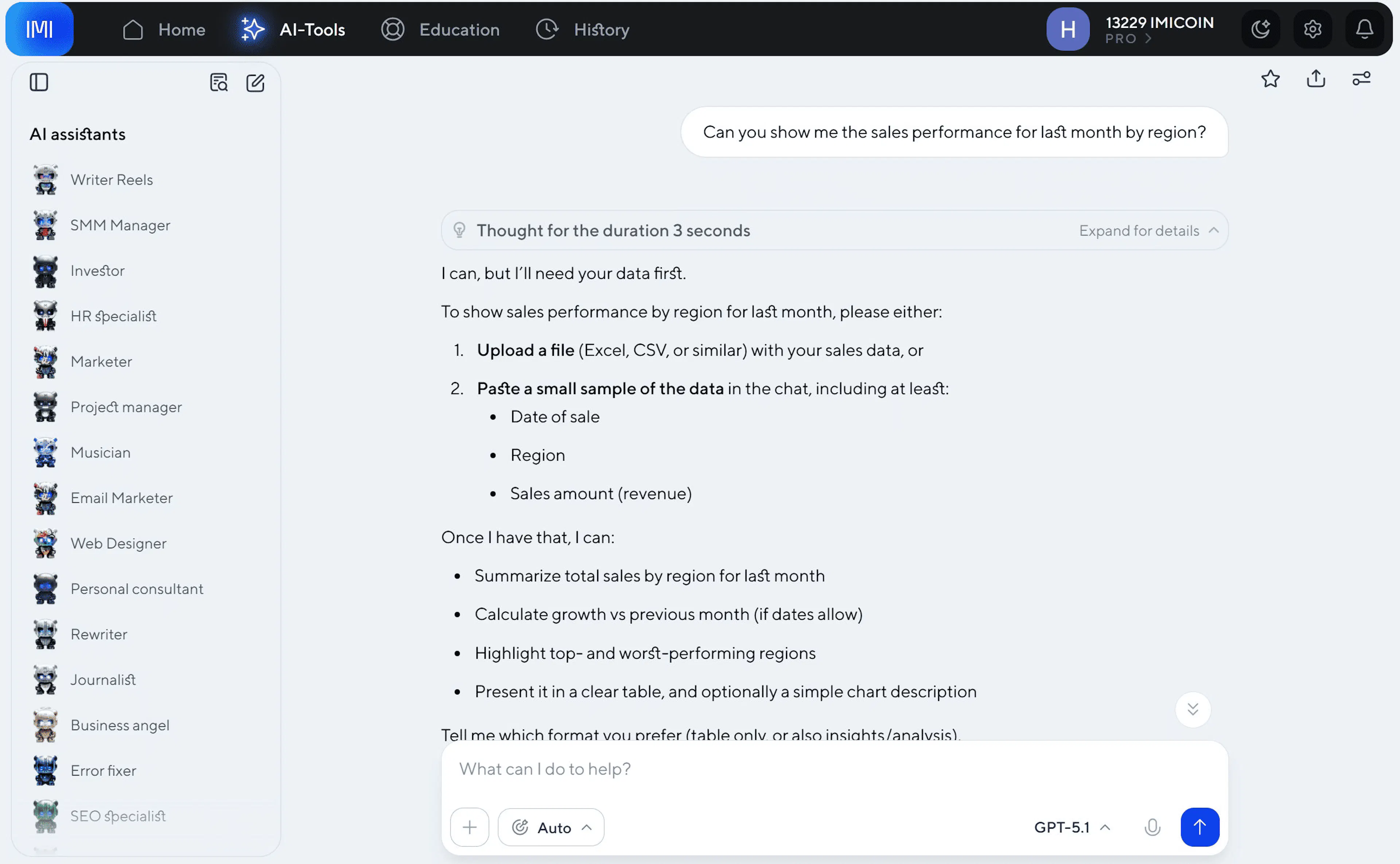
Features:
This neural network is growing in popularity among small and medium businesses, experts, agencies, and regional projects that value simplicity, access, security, and the absence of a language barrier.
| AI Model | Data Format | Strengths | Integrations | Free Version |
|---|---|---|---|---|
| GPT-5 | Text | Chat, generation, SQL | API, Telegram | Limited |
| Claude 4 Opus | Text, code | Privacy, security | API, bots | Yes |
| Google Gemini Pro | Text, tables, images | Speed, visualization | Google Workspace | Yes |
| Databricks AI | Big Data | Spark, training | SQL, Python, R | Partially |
| Tableau AI Pulse | BI, charts | Visualization, templates | CRM, Excel | Yes |
| Snowflake | Cloud, Big Data | Scalability, security | API, BI | No |
| DataRobot | All types | AutoML, templates | API, Excel | Yes |
| Power BI AI | BI, all data | Simplicity, automation | Microsoft, SQL | Yes |
| H2O.ai | All data | Open-source, analytics | API, Python | Yes |
| IMI | All types | Speed, Telegram, Training | CRM, Telegram | Yes |
Even the best tools do not perform equally well in all conditions. To choose the right neural network, consider data type, team skill level, tasks, infrastructure, budget, and information security requirements.
Here are the key steps to help make the right decision:
Understand what you want from the system: data visualization, forecasting, user clustering, text generation, or SQL query processing. For example:
Not every neural network can handle large data volumes. If you work with big data, especially in real time, solutions like Databricks AI or Snowflake Intelligence are suitable—they can scale computations, quickly process arrays, and maintain performance under load.
For smaller tasks, opt for something simpler and more economical—like IMI or Power BI.
If your team lacks programmers and analysts, choose a neural network with an intuitive interface, ready-made templates, detailed support, and training courses. These include:
On the other hand, Databricks or H2O.ai are better suited for technical specialists who can write code and work with libraries.
The neural network should integrate into your existing infrastructure: CRM, ERP, databases, BI systems, Telegram, 1C, Google Workspace. If you choose a model that doesn’t support your required integrations, you’ll spend time on adjustments.
Important! Before choosing, verify which services are supported, whether an API is available, and whether reports can be exported in needed formats (PDF, Excel, HTML, etc.).
Some tools offer a free version, but it may be limited—by the number of requests, upload volume, or project count. Therefore, research in advance:
For example, GPT-5 is expensive for active commercial use, while IMI or Power BI offer more free features initially.
In short—to choose the best neural network, understand:
The world of data and analytics is rapidly changing. Just a few years ago, many companies used Excel as their main tool, while today they implement cloud-based neural networks that instantly analyze millions of rows and offer ready-made solutions.
Here are the key trends shaping analytics development in 2025:
Cloud platforms allow processing large information volumes without maintaining your own servers. This reduces costs, simplifies integrations, and speeds up deployment.
Examples: Snowflake, Databricks AI, Google Gemini.
Such solutions help scale projects, increase productivity, and reduce infrastructure costs.
Neural networks have become part of daily work. They:
This is especially important for marketers, HR, and analysts who need to quickly react to market changes and user behavior.
With the increased use of personal data, especially internationally, more attention is being paid to compliance with security standards—GDPR, local laws, licenses, and privacy policies.
Therefore, platforms operating within the country—such as IMI—and models with built-in data protection are gaining popularity.
Previously, only specialists with technical education could build models. Now, even beginners can:
Models like Power BI, DataRobot, or Claude 4 Opus offer clear interfaces, interactive tools, and built-in support, making onboarding much faster.
Demand is growing for flexible platforms that process textual, numeric, visual, and even audio data. This enables deep analysis, hypothesis building, discovery of hidden dependencies, and even predicting customer behavior.
Most top neural networks (e.g., GPT-5, H2O.ai) already support multiple formats, and this trend is only strengthening.
These trends show: data analysis is no longer a task only for IT. It is becoming part of all business processes, from sales to demand forecasting and project management.
Here is a brief summary:
Each of these neural networks has its strengths, features, weaknesses, and application scenarios. To choose the best one, consider what data you analyze, your budget, team, infrastructure, and which integrations are already in use.
Important! Don’t postpone implementing neural networks “for later.” Even if you start with a free version, you can already improve analytics quality, reduce team workload, and boost productivity.
Neural networks are becoming part of digital transformation, and those who start applying them wisely now will gain a significant market advantage. Don’t miss the chance to become a leader in your field—analyze data effectively starting today.

Max Godymchyk
Entrepreneur, marketer, author of articles on artificial intelligence, art and design. Customizes businesses and makes people fall in love with modern technologies.